
Type 2 Diabetes1 min read·April 18, 2026
The Glycemic Index: A Practical Tool for Diabetes Management
Not all carbs are equal. Learn how to use the GI to keep your energy stable and prevent blood sugar spikes.

Reviewed by Dr. Asha Ranjit
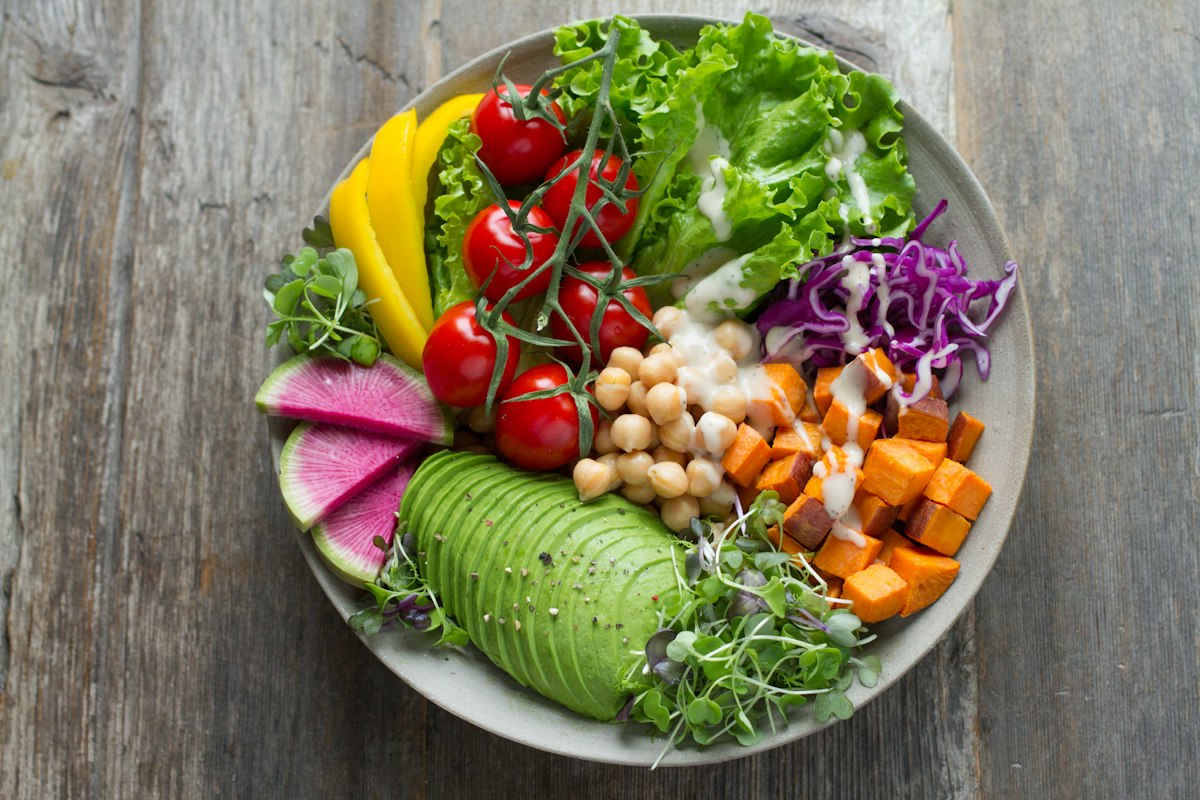
The Glycemic Index: Managing Your Carbs
The Glycemic Index (GI) ranks carbohydrates on a scale from 0 to 100 based on how quickly they raise blood sugar levels. For those with Type 2 Diabetes, choosing "Low GI" foods is a primary management strategy recommended by the Mayo Clinic.
Low vs. High GI
- Low GI (0-55): Oats, barley, lentils, and most non-starchy vegetables. They digest slowly, providing steady energy.
- High GI (70+): White bread, sugary cereals, and white potatoes. They cause rapid spikes and crashes in energy.
The Power of Pairing
You can lower the GI of a meal by pairing a carbohydrate with a healthy fat or protein (e.g., an apple with peanut butter).
Source: Mayo Clinic, Healthline Nutrition
Last updated April 18, 2026